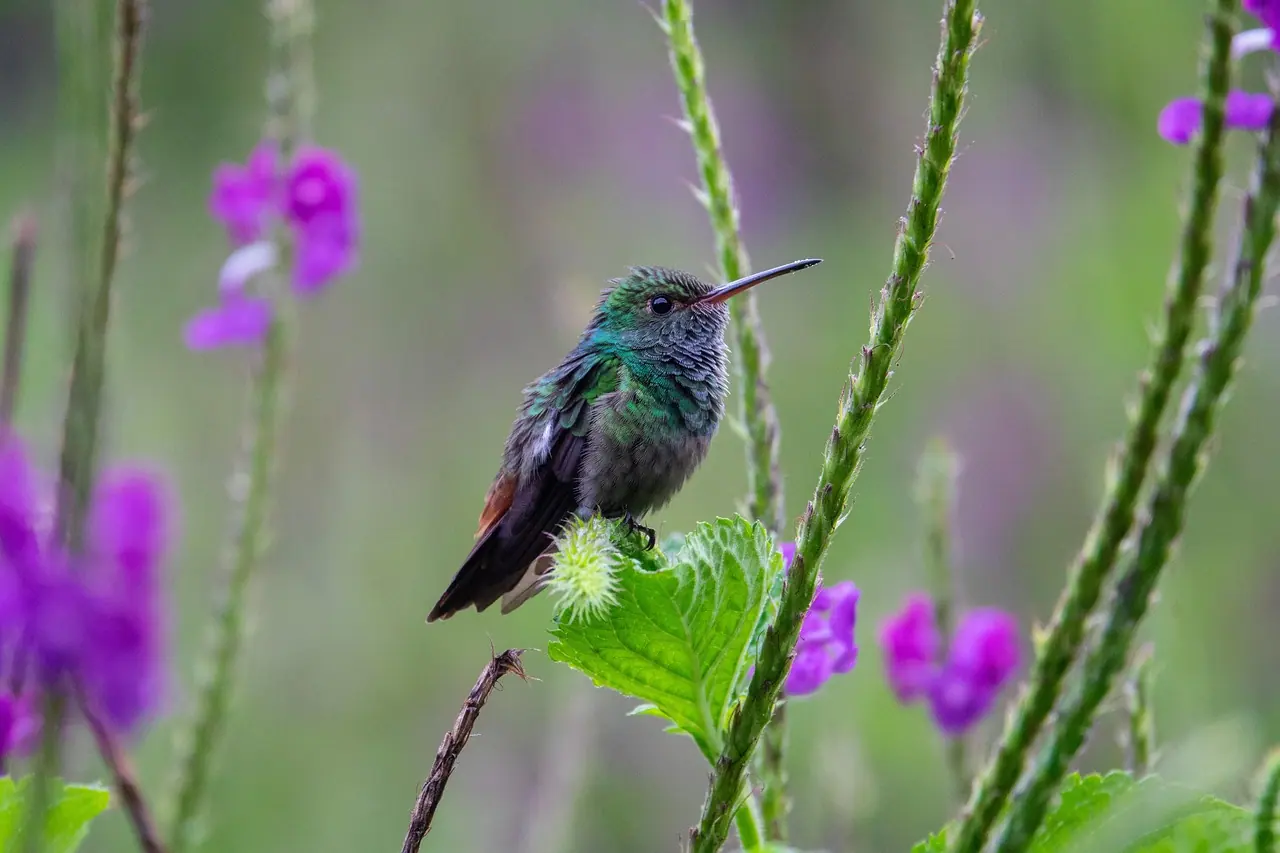
Oaxaca is one of the most biodiverse states in Mexico, home to cloud forests, Pacific coastline, desert valleys, and Indigenous communities that have practiced sustainable land stewardship for centuries. It is no surprise that eco retreats in Oaxaca have become some of the most sought-after destinations for travelers looking to slow down, reconnect with nature, and leave a lighter footprint.
Whether you want to hike through misty mountain villages, surf uncrowded breaks on the coast, or simply read a book in a hammock surrounded by jungle sounds, there is an eco retreat in Oaxaca that fits. This guide covers our picks across three distinct regions — the Sierra Norte mountains, the Pacific coast, and the valleys around Oaxaca city — so you can find the right one no matter what kind of trip you are planning.
What Makes a Stay an “Eco Retreat”?
Before diving into the list, it helps to clarify what we mean. An eco retreat is not just a hotel with a recycling bin. The properties below share most or all of these characteristics:
- Renewable energy or low-energy design (solar, passive cooling, natural ventilation)
- Water conservation through rainwater harvesting, greywater recycling, or composting toilets
- Locally sourced materials in construction — adobe, bamboo, reclaimed wood, palm thatch
- Support for the local economy via hiring from nearby communities and sourcing food from regional producers
- Biodiversity protection through reforestation, wildlife corridors, or limiting development footprint
- Waste reduction programs including composting, eliminating single-use plastics, and on-site organic gardens
Some of these places are rustic. Others are refined. Price and comfort level vary widely, but each one takes sustainability seriously in its operations — not just its marketing.
The Best Eco Retreats in Oaxaca for 2026
1. Expediciones Sierra Norte — Pueblos Mancomunados, Sierra Norte
Location: The highland villages of Benito Juarez, Cuajimoloyas, Llano Grande, La Neveria, and Latuvi, roughly 60 km northeast of Oaxaca city.
What makes it special: This is community-based ecotourism at its purest. The Zapotec communities of the Pueblos Mancomunados collectively manage a network of trails, cabins, and guide services across nearly 30,000 hectares of communal forest. There are no outside investors. Revenue goes directly to the communities, and the forests are managed under a conservation model that has won international recognition. Trails wind through cloud forest, pine-oak woodland, and high meadows above 3,000 meters with views that stretch to the coast on clear days.
Best for: Hikers, mountain bikers, birdwatchers, and travelers who want genuine cultural immersion rather than a curated “experience.”
Price range: $ — Cabin stays and guided hikes are remarkably affordable. Expect to pay under $40 USD per night for a clean, simple cabin with meals available in village comedores.
2. Helia — San Jose del Pacifico, Sierra Sur
Location: The misty mountain town of San Jose del Pacifico, perched at 2,400 meters along Highway 175 between Oaxaca city and the coast.
What makes it special: Helia is a small collection of architecturally striking cabins built from local stone, wood, and glass, designed to frame the dramatic cloud forest views. The property runs on solar energy with backup generators used only during extended cloudy stretches. They operate a small organic garden, and breakfast ingredients are sourced from the garden and from producers in the surrounding Chatino communities. The mountain air, the silence, and the mist rolling through the pines give this place a quality that is hard to replicate anywhere else in Mexico.
Best for: Couples, writers, or anyone seeking solitude and cool mountain air. People who want comfort without excess. Not ideal for families with young children given the terrain.
Price range: $$ — Cabins typically run $80-$140 USD per night depending on the season.
3. Montserrat Reserve — Near Chacahua, Oaxaca Coast
Location: The rural coast between Chacahua National Park and the lagoon system, roughly 70 km west of Puerto Escondido.
What makes it special: Montserrat Reserve is a private eco retreat near Chacahua built around independent villas set within a tropical dry forest landscape. The property features natural pools fed by filtered water systems, organic gardens that supply the kitchen, and construction that relies heavily on local materials — adobe, palm, and sustainably harvested wood. It sits in one of the least developed stretches of the Oaxacan coast, neighboring the mangrove lagoons and beaches of the Chacahua national park system. The emphasis here is on privacy, quiet, and integration with the surrounding ecology rather than resort-style amenities.
Best for: Travelers who want a private, nature-immersed coastal stay without the crowds of Puerto Escondido or Mazunte. Good for couples, small groups, or solo travelers who value independence and do not need nightlife.
Price range: $$ — Mid-range pricing with villa-style accommodation.
4. Punta Placer — Mazunte
Location: The hillside above Mazunte, on the coast between Puerto Angel and San Agustinillo.
What makes it special: Punta Placer has been operating in Mazunte since before the town became a well-known destination, and their environmental practices predate the current wave of eco-tourism branding. The property uses solar water heating, composts all organic waste on site, and was built with minimal disruption to the hillside vegetation. Rooms are open-air with palm roofs and ocean views, and the design philosophy leans heavily toward letting the natural setting do the work rather than adding layers of decoration. They also support a local sea turtle conservation program that guests can participate in during nesting season (June through December).
Best for: Budget-conscious travelers, yoga practitioners, and anyone who wants to be walking distance from the beach and the small-town energy of Mazunte without paying resort prices.
Price range: $ to $$ — Options range from basic rooms around $45 USD to more private casitas around $100 USD per night.
5. Casas de Playa Bacocho — Puerto Escondido area
Location: The Bacocho area on the western edge of Puerto Escondido, overlooking the Pacific.
What makes it special: This small property stands out in Puerto Escondido because it manages to be close to the town’s restaurants, surf breaks, and markets while maintaining a genuinely low-impact operation. The buildings use cross-ventilation design that eliminates the need for air conditioning despite the coastal heat, and rainwater collection tanks supply non-potable water during the dry season. They partner with a local fishermen’s cooperative for seafood and a nearby organic farm for produce. The pool uses a saltwater filtration system instead of chlorine. It is proof that eco-conscious hospitality does not require isolation.
Best for: Surfers, digital nomads, and travelers who want the convenience of Puerto Escondido with a property that aligns with their environmental values. Also good for families — the Bacocho area is calmer than the Zicatela strip.
Price range: $$ — Rates typically fall between $90 and $160 USD depending on room type and season.
6. Cacao Eco Village — San Pablo Etla, Oaxaca Valley
Location: The Etla Valley, about 20 minutes north of Oaxaca city center.
What makes it special: Cacao sits in the agricultural valley outside the city and functions as both an eco-lodge and a working permaculture demonstration site. Guests can tour the food forest, learn about composting systems, and participate in hands-on workshops on natural building techniques. The cabins are built from earth-bag and cob construction, roofed with living green roofs that insulate against the valley heat. Being close to the city means you can spend a morning at the Etla market — one of the best tianguis in Oaxaca — and be back at the property by lunch.
Best for: Permaculture enthusiasts, families with older children, and anyone who wants to combine a visit to Oaxaca city’s food and art scene with a stay that is actively regenerative rather than passively “green.”
Price range: $ to $$ — Accommodations range from simple earthen cabins ($35-$50 USD) to larger family units ($80-$110 USD).
7. Bahia de la Luna — Barra de la Cruz area, Isthmus Coast
Location: The far eastern Oaxacan coast near Barra de la Cruz, between Huatulco and the Isthmus of Tehuantepec.
What makes it special: This is the most remote entry on the list. Bahia de la Luna occupies a crescent bay accessible only by dirt road, and the isolation is the point. The property runs entirely on solar power, uses composting toilets, and grows much of its own food. There are no televisions, limited phone signal, and the nearest town is a twenty-minute drive. What you get instead is one of the most pristine stretches of coastline in southern Mexico, excellent snorkeling, and a community of sea turtles that nest on the beach. The Chontal Indigenous community in the surrounding area maintains traditional fishing and farming practices, and the lodge employs staff from these communities.
Best for: Off-the-grid seekers, experienced travelers comfortable with rustic conditions, snorkelers, and anyone who finds the idea of no cell service appealing rather than alarming.
Price range: $ — Basic but well-maintained cabins from $30-$60 USD per night including meals. Getting there is part of the adventure.
How to Choose the Right Eco Retreat in Oaxaca
With this many options spread across very different landscapes, narrowing down your choice comes down to a few key questions:
What climate do you want? The Sierra Norte and Sierra Sur properties (Expediciones Sierra Norte, Helia) sit above 2,000 meters. Expect cool nights, mist, and temperatures between 8-20 C. The coast (Montserrat Reserve, Punta Placer, Casas de Playa Bacocho, Bahia de la Luna) is hot and humid, with temperatures from 28-35 C most of the year. The valley (Cacao Eco Village) falls in between — warm days, cool nights.
How rustic are you willing to go? Bahia de la Luna and Expediciones Sierra Norte are the most stripped-back options — composting toilets, limited electricity, basic beds. If you want comfort with your conscience, Helia and Montserrat Reserve offer a more refined experience without losing the environmental commitment.
What do you actually want to do? If hiking and mountain biking are the priority, Sierra Norte is unbeatable. If you want surf access, stay near Puerto Escondido or Barra de la Cruz. If food and culture are the draw, Cacao Eco Village’s proximity to Oaxaca city is hard to beat. If you want privacy and quiet on the coast without the backpacker scene, the Chacahua area offers the most seclusion.
How long are you staying? For a short trip (2-3 nights), choose one region and commit. For a longer itinerary (10+ days), you can combine mountain and coast — for instance, three nights in the Sierra Norte followed by a week on the coast. Many travelers use Oaxaca city as a transit hub between regions.
Budget matters. The community-run mountain options and Bahia de la Luna are genuinely affordable. Coastal properties with more infrastructure (Montserrat Reserve, Casas de Playa Bacocho) sit in the mid-range. None of the properties on this list are luxury-priced, which is part of what makes Oaxaca such a compelling destination for sustainable travel — you do not need to spend $400 a night to stay somewhere that takes its environmental impact seriously.
A Note on Getting There
Oaxaca city has an international airport (OAX) with direct flights from Mexico City, and increasingly from US cities. From the city, the Sierra Norte villages are reachable by colectivo or rental car in about 90 minutes. The coast requires either a scenic but winding 6-hour drive over the mountains via Highway 175, a shorter drive via Highway 131 through Sola de Vega, or a quick 45-minute flight to Puerto Escondido (PXM). Chacahua and the western coast are best accessed from Puerto Escondido by road.
Most eco retreats on this list can help arrange transport from the nearest town or airport — just ask when booking.
Final Thoughts
The best eco retreats in Oaxaca share something beyond solar panels and compost bins: they are built by people who chose a specific place and committed to being part of it for the long term. Whether it is a Zapotec community managing its ancestral forest or a small team constructing villas from local adobe near a coastal lagoon, the common thread is rootedness — in the land, in the community, and in the slow, sometimes inconvenient work of doing things in a way that the place can sustain.
That is what separates a genuine eco retreat from a conventional hotel with a green label. And Oaxaca, with its extraordinary biodiversity and deep cultural traditions around land stewardship, is one of the best places in the world to experience the difference firsthand.