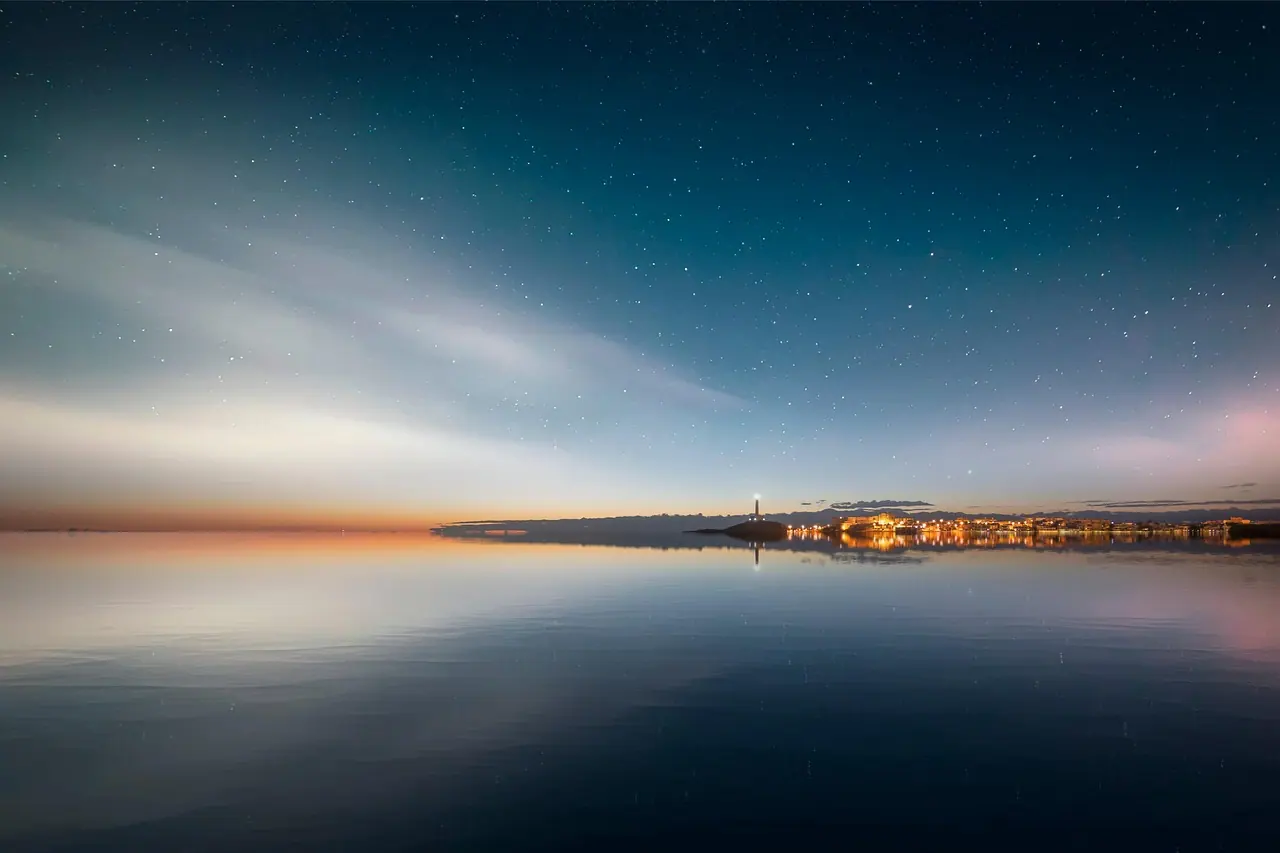
The Chacahua lagoon is not a single body of water. It is an interconnected system of tidal channels, brackish pools, mangrove corridors, and open-water expanses that together form one of the most ecologically significant coastal wetlands in Mexico. Located within the Lagunas de Chacahua National Park on the coast of Oaxaca, this lagoon system covers over 14,000 hectares of protected territory — a mosaic of habitats where saltwater meets fresh, where mangrove roots shelter juvenile fish, and where, on the right night, the water itself glows blue.
Most travelers come here for the bioluminescence. They stay because the lagoon has far more to offer than a single light show. From crocodiles drifting silently through the shallows to roseate spoonbills feeding at dawn, the Chacahua lagoon is a living system that rewards patience and attention. This guide covers everything you need to know — the science, the wildlife, the tours, and the practical details — so you can experience it fully.
Lagunas de Chacahua National Park: The Lagoon System
The national park was established in 1937, making it one of the oldest protected areas in Mexico. It encompasses two primary lagoons — Laguna Chacahua and Laguna Pastoría — connected by a network of tidal channels and bordered by dense mangrove forest. The park stretches along roughly 30 km of the Oaxacan coast, with the lagoon system sitting between the open Pacific and the low coastal hills of the Sierra Madre del Sur foothills.
The lagoons are shallow — rarely more than two to three meters deep — and their salinity fluctuates seasonally. During the dry season (November through April), evaporation concentrates the salt content. During the rainy season (June through October), freshwater runoff from the surrounding hills dilutes the lagoons, creating a gradient of salinity that supports an unusually wide range of species. This brackish environment is critical habitat for fish nurseries, migratory birds, and the organisms that produce the lagoon’s famous bioluminescence.
The shoreline shifts between sandy banks, mudflats, and dense mangrove edges depending on where you are in the system. Some channels are barely wide enough for a kayak. Others open into broad, lake-like expanses where the far shore disappears into haze. The diversity of microhabitats within a relatively compact area is what makes this lagoon system so biologically rich — and so worth exploring slowly.
Bioluminescence in the Chacahua Lagoon
The bioluminescence that draws visitors to the Chacahua lagoon is produced by dinoflagellates — single-celled organisms that emit light through a chemical reaction when physically disturbed. When you drag your hand through the water, each tiny organism flashes blue-green light as a defense mechanism. Multiply that by millions of organisms per liter of water, and the effect is extraordinary: trails of light following every movement, glowing splashes, handprints that shimmer on the surface for a moment before fading.
The specific species responsible here are primarily Pyrodinium bahamense and Noctiluca scintillans, both of which thrive in warm, nutrient-rich, low-circulation waters — exactly the conditions found in the protected channels of the Chacahua lagoon during the warmer months.
Best Time of Year for Bioluminescence
The bioluminescent display is seasonal. The organisms bloom most intensely during the rainy season, from June through November, when nutrient runoff from the surrounding landscape feeds the lagoon and water temperatures remain warm. Peak intensity tends to fall between July and September.
Outside this window — particularly during the drier, cooler months of December through March — the dinoflagellate population drops and the glow can be faint or absent. Some years the season extends into early December if conditions are right, but do not plan a trip in February expecting strong bioluminescence.
Best Moon Phase: New Moon
Ambient light is the enemy of bioluminescence viewing. The organisms glow just as brightly on a full moon night, but your eyes cannot perceive it against the background light. For the most vivid experience, plan your visit around a new moon — or within a few days of one. A thin crescent moon that sets early in the evening is also acceptable.
Full moon nights are essentially a waste of time for bioluminescence. Many tour operators will still take you out, but the display will be disappointing. Check a lunar calendar before booking your dates.
Cloud cover can also play a role. Light overcast conditions can actually help by blocking starlight, while heavy cloud cover sometimes coincides with rain that can temporarily disperse the organisms near the surface.
What to Expect on a Bioluminescence Tour
Tours depart from the village by boat, typically between 8:00 and 9:30 PM. A local guide navigates through the lagoon channels to the areas where the concentration of dinoflagellates is highest — usually in the calmer, more enclosed sections where water circulation is limited and organisms accumulate.
The boat ride itself takes 15–20 minutes. Once you reach the bioluminescent zone, the guide cuts the motor and lets the boat drift. This is when you start to see it — the wake of the boat glowing behind you, fish darting below the surface leaving trails of light, shrimp flashing as they move. On strong nights, even the gentle lapping of water against the hull produces visible light.
Most tours allow time for swimming. You can lower yourself into the warm water and watch your body light up with every movement. Running your fingers through the water produces the most dramatic effect. The experience is surreal — it genuinely looks like something out of a science fiction film, except it is happening in a mangrove-lined lagoon on the Oaxacan coast.
Tours last roughly 1.5 to 2 hours including transit time. Groups are typically 6–12 people per boat.
How to Book and What It Costs
You can book bioluminescence tours directly in the village — ask at your accommodation or at any of the comedores near the main beach. Several local cooperatives and independent guides offer the service. There is no need to book weeks in advance through a website; this is an informal, community-run operation.
Cost: 200–300 MXN per person ($11–$17 USD) for a shared tour. Private boats run higher, typically 800–1,200 MXN for the whole boat, which makes sense for small groups wanting a more personal experience.
What to wear: A swimsuit under light clothing. The water is warm (typically 26–30°C during bioluminescence season), and you will want to get in. Bring a towel and a change of clothes for the boat ride back. Water shoes or sandals with straps are useful for getting in and out of the boat.
Camera settings for bioluminescence: Capturing the glow on camera is notoriously difficult. Smartphone cameras rarely produce good results — the light is simply too faint. If you have a camera with manual controls, try ISO 3200–6400, aperture f/2.8 or wider, and exposures of 15–30 seconds on a tripod or stabilized surface. A GoPro in night mode can capture the effect reasonably well if mounted on the boat’s edge. That said, many people find it more rewarding to put the camera away and simply be in the water. The memory of your hands trailing light through dark water is worth more than a grainy photo.
The Mangrove Ecosystem
The mangrove forests that border the Chacahua lagoon are not merely scenic — they are the ecological engine that makes the entire system work. Four species of mangrove grow here: red mangrove (Rhizophora mangle), black mangrove (Avicennia germinans), white mangrove (Laguncularia racemosa), and buttonwood (Conocarpus erectus). Each occupies a slightly different zone along the salinity and tidal gradient, forming a layered buffer between ocean and land.
Red mangroves dominate the waterline, their distinctive prop roots arching into the water and creating a tangled underwater architecture. These root systems serve as nursery habitat for fish, crabs, and shrimp — juvenile marine species shelter among the roots before moving into open water as adults. The economic value of this nursery function alone is enormous; the fisheries that sustain the communities around the lagoon depend directly on healthy mangrove habitat.
Beyond their role as fish habitat, mangroves stabilize shorelines against erosion, filter sediment and pollutants from runoff, and sequester carbon at rates significantly higher than most terrestrial forests. The Chacahua mangrove system acts as a natural buffer against storm surges during hurricane season — a function that becomes more important each year as coastal storms intensify.
Kayaking Through the Mangroves
Paddling through the mangrove channels is one of the most immersive ways to experience the Chacahua lagoon. The water is calm and shallow in most channels, making kayaking accessible to all skill levels. You paddle beneath canopies of mangrove branches, through narrow passages where the roots form living walls on either side, and into open clearings where the lagoon widens and the sky opens up.
The best kayaking routes follow the smaller channels on the western side of the lagoon system, where the mangrove canopy is thickest and the water is still enough to reflect the trees above. Guided tours typically follow routes that pass through several habitat types — from dense mangrove tunnel to open lagoon — offering variety in both scenery and wildlife.
Kayak rentals are available in the village for 150–250 MXN per hour. Guided kayak tours, which often combine paddling with bird watching and a visit to a crocodile resting area, run 300–500 MXN per person for a 2–3 hour trip. Early morning departures — before 8 AM — are best for wildlife viewing, cooler temperatures, and calmer water.
Wildlife of the Chacahua Lagoon
Crocodiles: The Lagoon’s Apex Predator
The Chacahua lagoon supports a healthy population of American crocodiles (Crocodylus acutus), the larger and more widely distributed of Mexico’s two crocodile species. Adults here commonly reach 3–4 meters in length, and older individuals can exceed that. They are most often seen basking on muddy banks during morning hours or drifting at the water’s surface with only their eyes and nostrils visible.
American crocodiles are generally less aggressive toward humans than their saltwater relatives in other parts of the world, but they are large, wild predators and should be treated with respect. Boat tours and kayak routes pass through crocodile habitat regularly, and sightings are common. The lagoon guides know the areas where crocodiles tend to concentrate and will bring you close enough for observation while maintaining a safe distance.
A word of common sense: do not swim in the lagoon in known crocodile areas. The bioluminescence tours operate in sections of the lagoon where crocodile activity is low, and guides are experienced at reading the water. For daytime swimming, stick to the ocean beach.
Birds: Over 200 Species
The Chacahua lagoon system sits within a major Pacific flyway, and the combination of lagoon, mangrove, beach, and coastal forest habitats supports an exceptional diversity of bird species. Over 200 species have been recorded in the national park, including both resident breeders and migratory visitors.
Some of the most visible and photogenic species include:
- Roseate spoonbills — Unmistakable pink wading birds that feed in the shallows by sweeping their spatula-shaped bills through the water. Most commonly seen during early morning feeding.
- Great blue herons and great egrets — Tall, patient stalkers of the mangrove edges. Present year-round.
- Tricolored herons and little blue herons — Smaller and often overlooked, but common along the channels.
- Magnificent frigatebirds — The males, with their inflated red throat pouches during breeding season, soar high above the lagoon on thermals. Breeding colonies are located on the outer islands.
- Brown pelicans — Dive-bombing the lagoon and the ocean surf for fish. You will see them constantly.
- Ospreys — Nesting along the lagoon edges, diving feet-first for fish.
- White ibis — Flocks of white birds probing the mudflats with curved bills.
- Belted kingfishers — Small, fast, and often heard (a rattling call) before they are seen.
During the northern hemisphere winter months (November through March), the lagoon swells with migratory species — warblers, sandpipers, plovers, and terns from North America add to the resident population. For dedicated birders, this seasonal overlap produces some of the best birding on the Oaxacan coast.
Binoculars are worth bringing. A lightweight field guide to Mexican birds will help with identification, though many of the larger species are identifiable at a distance. Local guides who know the nesting sites and feeding patterns can dramatically increase your species count on a guided outing.
Fishing Traditions and the Lagoon Economy
Fishing is not an attraction in Chacahua — it is the foundation of daily life. The communities around the lagoon have fished these waters for generations, using techniques that predate modern equipment. Pangas (small open boats) head out before dawn, and the morning’s catch — red snapper, robalo (snook), sierra, mullet, shrimp — is brought back to the village and either sold locally, cooked at family comedores, or transported to markets in Río Grande and Puerto Escondido.
The lagoon itself is a critical fishery. Cast nets, gill nets, and handlines are used in the calmer channels, while ocean-facing fishing takes place from boats beyond the surf line. The health of the mangrove nursery habitat directly determines the productivity of these fisheries — a connection that local fishermen understand intuitively and that has motivated community-level conservation efforts for decades.
Some visitors arrange to go out with a fisherman for a morning of lagoon fishing. This is not a guided sport-fishing charter — it is real subsistence fishing, done from a panga with basic gear. If you are interested, ask around at the village. The experience offers a window into a way of life that has sustained these communities long before tourism arrived.
Conservation Status and Ecological Importance
The Lagunas de Chacahua National Park holds designations at both the national level (protected natural area since 1937) and international level (recognized as a Ramsar Wetland of International Importance). These protections reflect the system’s ecological value — as fish nursery, carbon sink, bird habitat, and coastal storm buffer.
Despite these protections, the lagoon faces real threats. Sedimentation from upstream land-use changes has reduced water circulation in some channels. Periodic proposals for road development or tourism infrastructure within the park generate debate between conservation interests and economic development pressures. Climate change is altering rainfall patterns and sea levels, both of which affect the salinity balance that the lagoon ecosystem depends on.
Community-based conservation groups play a significant role in monitoring the lagoon and advocating for its protection. Sea turtle nesting programs, crocodile population surveys, and mangrove reforestation projects are all active in the area, often led by members of the local fishing communities. Tourism — when done responsibly — provides an economic incentive for protecting the lagoon rather than exploiting it.
For visitors, the most meaningful contribution is simple: hire local guides, eat at local comedores, follow the rules of the national park (no littering, no disturbing wildlife, no collecting shells or plants), and recognize that the lagoon’s beauty is a direct result of the community’s long relationship with this landscape.
Practical Tips for Visiting the Chacahua Lagoon
What to wear for lagoon activities: Lightweight, quick-drying clothing. A long-sleeve sun shirt protects against both sunburn and mosquitoes. Water shoes or strapped sandals are essential for getting in and out of boats and kayaks. Bring insect repellent — mosquitoes are most active at dawn, dusk, and in the shaded mangrove channels.
What to bring: Binoculars for bird watching, reef-safe sunscreen, a dry bag for electronics (boats splash), a reusable water bottle, and cash — there are no ATMs in Chacahua. Budget 500–1,000 MXN per person per day for tours, meals, and kayak rentals.
Tour operators: Bioluminescence tours, kayak trips, and bird watching outings are all arranged through local cooperatives and independent guides in the village. There is no centralized booking system. Ask at your accommodation or walk to the main beach area and inquire. Most guides speak Spanish, with some speaking basic English. Quality is generally high — these are people who have grown up on the lagoon and know it intimately.
Best overall timing: For the fullest lagoon experience — bioluminescence, peak wildlife activity, and lush mangrove growth — visit between July and October, timed around a new moon. For easier travel conditions and drier weather, November through April is more comfortable, though bioluminescence may be weaker.
The Chacahua Lagoon After Dark and at Dawn
The lagoon is a different place at night. Without the visual cues of daytime — the birds, the mangrove colors, the shimmer of the water surface — your other senses sharpen. You hear the splash of fish jumping, the low grunt of a crocodile, the rustle of night herons in the mangroves. And then, if you are there in the right season on the right night, the water begins to glow.
At dawn, the lagoon is equally transformed. Mist sits on the water surface. Herons stand motionless in the shallows. The light turns the mangrove canopy gold before the sun clears the hills. This is when the lagoon is at its most peaceful, and when the wildlife is most active. If you can manage an early wake-up, a sunrise paddle or a dawn boat ride across the lagoon is one of the most memorable experiences on the Oaxacan coast.
For a fuller picture of the region and what surrounds the lagoon, visit our location page. To see the range of activities and encounters possible in this part of the coast, explore our experience page.
If you are looking for a place to stay that is built around this landscape — designed to connect you to the lagoon, the forest, and the ocean rather than wall you off from them — Montserrat Reserve is an eco retreat just outside Chacahua, with natural pools, organic gardens, and private villas set within the coastal forest. It is the kind of place where the lagoon is not a day trip. It is your backyard.