When we began designing Montserrat Reserve, we knew from the start that food would be inseparable from the experience. We are building a farm to table retreat on the Oaxacan coast, and that means every meal served to our guests should tell the story of the land it came from. Not a slogan printed on a menu card — an actual, tangible connection between the soil beneath your feet and the plate in front of you.
This post is a look inside how we grow our food, what permaculture principles guide our gardens, and how all of it comes together in the meals we prepare for guests at Montserrat Reserve.
Starting With the Soil
Before we planted a single seed, we spent months observing the land. The property sits in the coastal lowlands near Chacahua, Oaxaca, where the climate is tropical dry — hot, humid, and shaped by a distinct rainy season that runs roughly from June through October. The native soil here is sandy and mineral-rich but low in organic matter. That told us two things: we needed to build fertility from day one, and we needed to work with the climate rather than against it.
We started with soil tests to understand pH, nutrient levels, and microbial activity. The results pointed us toward heavy composting, cover cropping with nitrogen-fixing legumes like velvet bean (Mucuna pruriens) and pigeon pea (Cajanus cajan), and layered mulching to retain moisture during the dry months. We are not importing fertility — we are generating it on-site, which is one of the core tenets of how we approach sustainability at the reserve.
What We Grow
Our gardens are divided into several zones based on water needs, sun exposure, and harvest cycles. Here is what fills them.
Herbs and Aromatics
Herbs are the backbone of Oaxacan cooking, and they are the fastest reward a garden can give you. We grow:
- Cilantro — planted in succession every three weeks so we always have tender leaves for salsas, ceviches, and garnishes.
- Epazote — the essential herb for black beans in Oaxaca. It grows aggressively here, which is exactly what we want. We harvest it constantly and it just keeps coming back.
- Hierba santa (Piper auritum) — large, velvety leaves used to wrap tamales and flavor mole verde. It thrives in the partial shade beneath our fruit trees.
- Mexican oregano (Lippia graveolens) — different from Mediterranean oregano, with a sharper, more peppery flavor that stands up to chiles and meats.
- Chepiche — a lesser-known Oaxacan herb with a pungent, almost anise-like taste that we use in black bean tamales and quesadillas.
- Lemongrass — not traditionally Oaxacan, but it grows beautifully in our climate and makes its way into teas and aguas frescas.
Chiles and Vegetables
Chile cultivation is where our garden gets serious. We grow several varieties:
- Chile de agua — a mild, meaty chile native to Oaxaca, roasted and stuffed or sliced raw into salads.
- Chile pasilla oaxaqueño — a smoky dried chile essential for mole negro. We grow these, dry them in the sun on racks, and store them for year-round use.
- Chile costeño — small, fiery, and deeply flavored. This is the workhorse chile of the Oaxacan coast.
- Jalapeños and serranos — for everyday salsas and quick pickles.
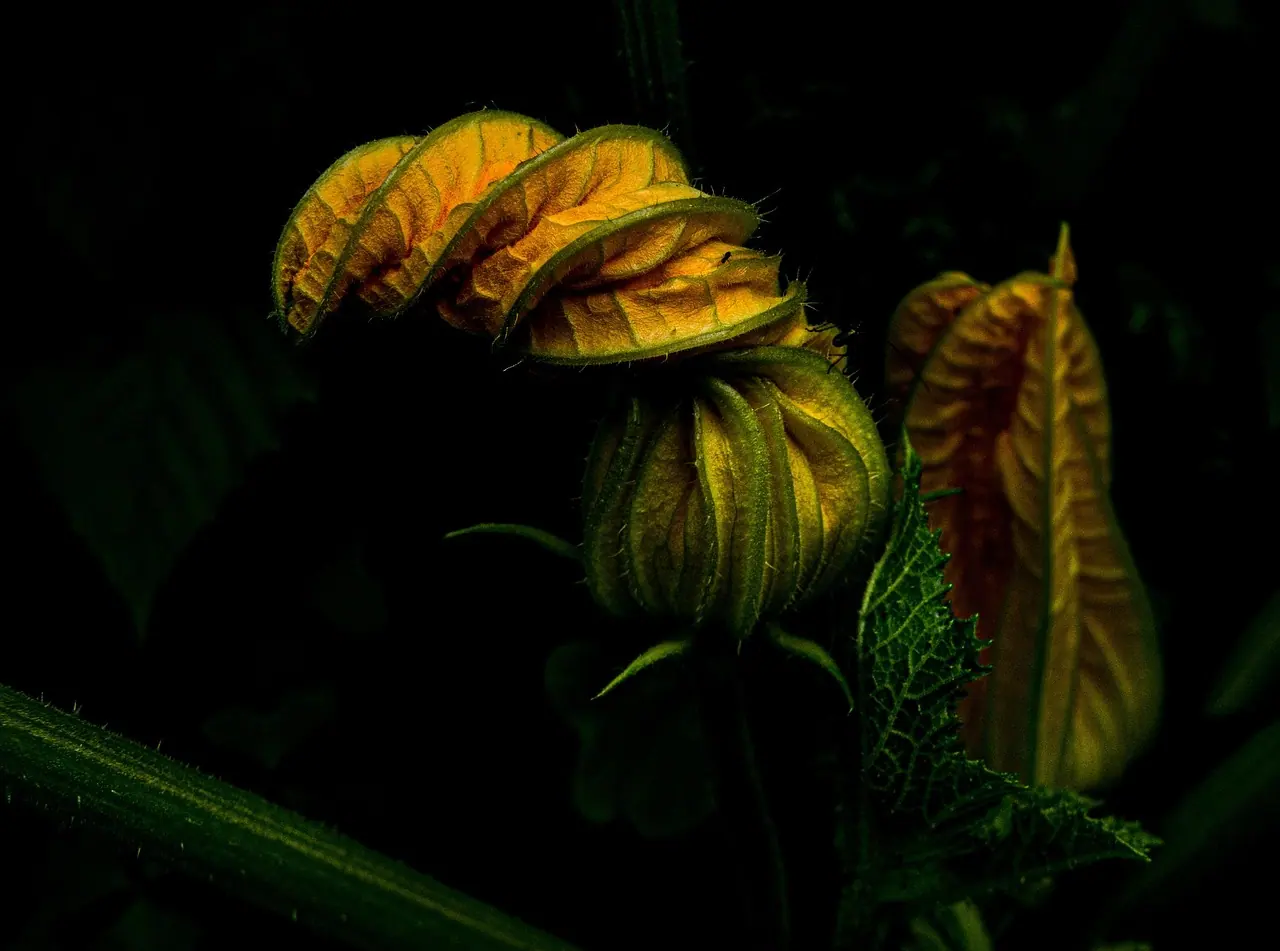
Beyond chiles, our vegetable beds produce tomatoes (both saladette and cherry varieties suited to the heat), tomatillos for salsa verde, red onions, garlic, radishes, squash (calabaza criolla), and chayote, which climbs up trellises we built from locally harvested bamboo.
Tropical Fruits
This is where the coast gives us an unfair advantage. The climate supports fruit trees that would be impossible further inland or at higher elevations:
- Papaya — our fastest-producing tree. We planted them early in the build process and were harvesting within nine months. They show up at breakfast every morning.
- Mango — we have Manila, Ataulfo, and criollo varieties. The mango season here runs from March through June, and during peak season there is more fruit than we can possibly use. We make salsas, dried mango, and agua de mango for guests.
- Banana and plantain — multiple varieties, from small, sweet dominico bananas to starchy plantains that we fry for breakfast or roast alongside fish.
- Lime (limón) — Persian and key lime trees scattered throughout the property. Lime is non-negotiable in Oaxacan cuisine. It goes on everything: tacos, soups, fruit, mezcal.
- Coconut — the palms were already here when we arrived. We use the water, the flesh, and the oil.
- Guanábana (soursop) and nanche — for juices and frozen desserts.
Permaculture Principles in Practice
We do not call our garden “organic” because the word has become more of a marketing label than a meaningful descriptor. What we practice is closer to permaculture — a design system built on observation, integration, and closed-loop resource cycling. Here are the principles that guide us.
Stacking Functions
Every element in the garden serves multiple purposes. Our banana plants are not just fruit producers — their large leaves provide shade for the herb beds below them, their decomposing stems become mulch, and their dense root systems help stabilize the sandy soil. The bamboo trellises for chayote also serve as windbreaks for the more delicate tomato beds behind them.
Water Harvesting
We capture rainwater from every roof on the property and direct it into a network of swales — shallow, contour-following ditches that slow runoff and let it infiltrate the soil. During the rainy season, these swales feed the root zones of our fruit trees passively, which means less irrigation work during the dry months. The villas at the reserve are designed around this same water-conscious philosophy, which you can read more about on our experience page.
Building Soil, Not Depleting It
Our composting system is the engine of the whole operation. We run a three-bin hot composting setup that processes kitchen scraps, garden trimmings, and coconut husks. The coconut husks are key — they are high in carbon, retain moisture, and break down slowly, which gives the finished compost a spongy, water-holding texture that our sandy soil desperately needs.
We also maintain a dedicated vermiculture bin (red wigglers, Eisenia fetida) that produces worm castings for our seedling trays. The castings are rich in beneficial microbes and plant-available nutrients, and they give transplants a strong start before they go into the ground.
Nothing leaves the property as waste. Fish bones and shellfish shells from the kitchen get buried in the orchard rows where they slowly release calcium and phosphorus. Coffee grounds go directly into the compost. Even the ash from our wood-fired cooking area gets scattered around the lime trees, where it raises pH and adds potassium.
No Synthetic Inputs
We use zero synthetic fertilizers, pesticides, or herbicides. Pest management relies on companion planting (marigolds and basil interplanted with tomatoes), physical barriers (row cover fabric during the worst whitefly weeks), and encouraging beneficial predators. We have resident gecko and lizard populations that handle an impressive number of insects, and the birds that nest in our trees take care of the rest.
When we do face a serious pest problem — aphid outbreaks on the chiles happen at least once a year — we use neem oil or a garlic-chile spray brewed on-site. That is it.
From Garden to Guest Meal
Growing the food is only half the story. The other half is what happens in the kitchen.
Our cooks work directly with the garden team. Each morning starts with a harvest walk — someone goes through the beds and fruit trees, picks what is ripe and ready, and brings it to the kitchen. The menu for the day is built around what came in that morning, not the other way around. If the tomatillos are at their peak, lunch might center on a bright, raw salsa verde with grilled fish. If the papayas are heavy and sweet, they become the base for a breakfast bowl with granola, lime zest, and local honey.
This is not a rigid meal plan. It is responsive cooking, and it produces food that tastes different from anything you can get in a restaurant because the ingredients were in the ground two hours before they hit the plate.
Seasonal Menu Planning
We plan in seasons, not weeks. During the mango glut of spring, mango appears everywhere — in salsas, dried into snacks for hikes, blended into agua fresca, even in a mango-habanero vinaigrette for grilled vegetables. In the fall, when squash and chayote come in heavy, the menu shifts toward soups, stews, and squash blossom quesadillas cooked on the comal.
Year-round staples include black beans cooked with epazote, handmade corn tortillas from locally sourced nixtamalized masa, rice, and whatever the garden offers that day. The structure stays consistent. The details change with the land.
Working With the Fishing Village
We are not an island. The reserve sits near a small coastal community with a long tradition of artisanal fishing, and our relationship with local fishers is central to what we serve.
Every few days, we purchase directly from fishers who work the Chacahua lagoon system and the open Pacific. Depending on the season and the catch, that means red snapper (huachinango), robalo (snook), sierra, shrimp, oysters, and octopus. We pay fair prices — above what the middlemen offer — because building a reliable, respectful supply chain matters more to us than saving a few pesos per kilo.
The seafood arrives whole and fresh, usually within hours of being caught. Our cooks clean and prepare it the same day. There is no freezer full of imported fish here. If the seas are rough and no one goes out, we adjust the menu. That flexibility is part of the honesty of this kind of cooking.
Oaxacan Food Traditions at the Table
Oaxacan cuisine is one of the most complex and deeply rooted food traditions in the world, and we take that seriously. We are not inventing fusion dishes or putting a “modern twist” on ancestral recipes. We are cooking traditional food with traditional techniques using ingredients we grew or sourced within a few kilometers.
Mole
Mole is the soul of Oaxacan cooking. Oaxaca is known as “the land of seven moles,” and we prepare several at the reserve. Mole negro — the most complex — requires over thirty ingredients including chilhuacle negro chiles, chocolate, plantain, and burnt tortilla for color. It takes two days to prepare properly. We also make mole amarillo with chile costeño and hierba santa, and mole coloradito, which is slightly sweet and pairs beautifully with chicken.
Our moles are ground on a stone metate when time allows, or in a molino for larger batches. Either way, they are made from scratch every time.
Tlayudas
The tlayuda is the iconic street food of Oaxaca — a large, thin, crispy tortilla spread with asiento (unrefined pork lard), black bean paste, Oaxacan string cheese (quesillo), and topped with whatever the cook decides: grilled tasajo (dried beef), chorizo, chapulines (grasshoppers), or vegetables. We make ours over a wood fire, and the tortillas come from a local tortillera who still presses them by hand.
Mezcal
No Oaxacan meal is complete without mezcal. We source ours from small-batch producers in the Sierra Sur — families who have been distilling agave in clay pots and copper stills for generations. We serve it as it should be served: neat, in a jicara or small clay cup, sipped slowly alongside food. We keep a rotating selection of espadin, tobala, and madrecuixe on hand, and we are always happy to walk guests through a tasting and explain the differences.
A Sample Day of Eating at the Reserve
Here is what a typical day might look like for a guest.
Morning. You wake up to the sound of birds and walk to the open-air dining area. Breakfast is already laid out: sliced papaya and mango from the orchard, scrambled eggs with epazote and chile de agua, black beans, handmade tortillas still warm from the comal, and strong Oaxacan coffee from Pluma Hidalgo. Fresh-squeezed lime juice and a pitcher of agua de jamaica sit on the table.
Midday. After a morning spent at the natural pools or walking the lagoon trail, you come back to a lunch of grilled red snapper caught that morning, served whole with a roasted tomatillo salsa, rice cooked with cilantro and lime, and a simple salad of radish, cucumber, and chile costeño vinaigrette. There is agua de mango to drink, or a cold beer if you prefer.
Evening. Dinner is the longest meal. Tonight it is mole amarillo with chicken, served with tortillas and a side of chayote sauteed with garlic and Mexican oregano. There are tlayudas on the comal if you want one. After the meal, someone brings out mezcal — a tobala from a palenquero in Sola de Vega — and you sit under the stars while the jungle hums around you.
That is a Tuesday. Nothing performative. Nothing imported. Just food that grew here, cooked by people who understand it.
Why This Matters
We are not growing food to check a “sustainability” box. We are doing it because we believe the best version of hospitality in this place — on this coast, in this climate, within this food culture — is one where the land feeds the guest directly. When you eat a meal at Montserrat Reserve, you are tasting the specific soil, water, and sun of this exact piece of Oaxacan coast. That cannot be replicated or shipped in.
The garden is not a side project. It is the center of everything we are building. And it is just getting started.
Montserrat Reserve is an eco retreat currently under construction near Chacahua, Oaxaca. Learn more about the project or explore our sustainability practices.