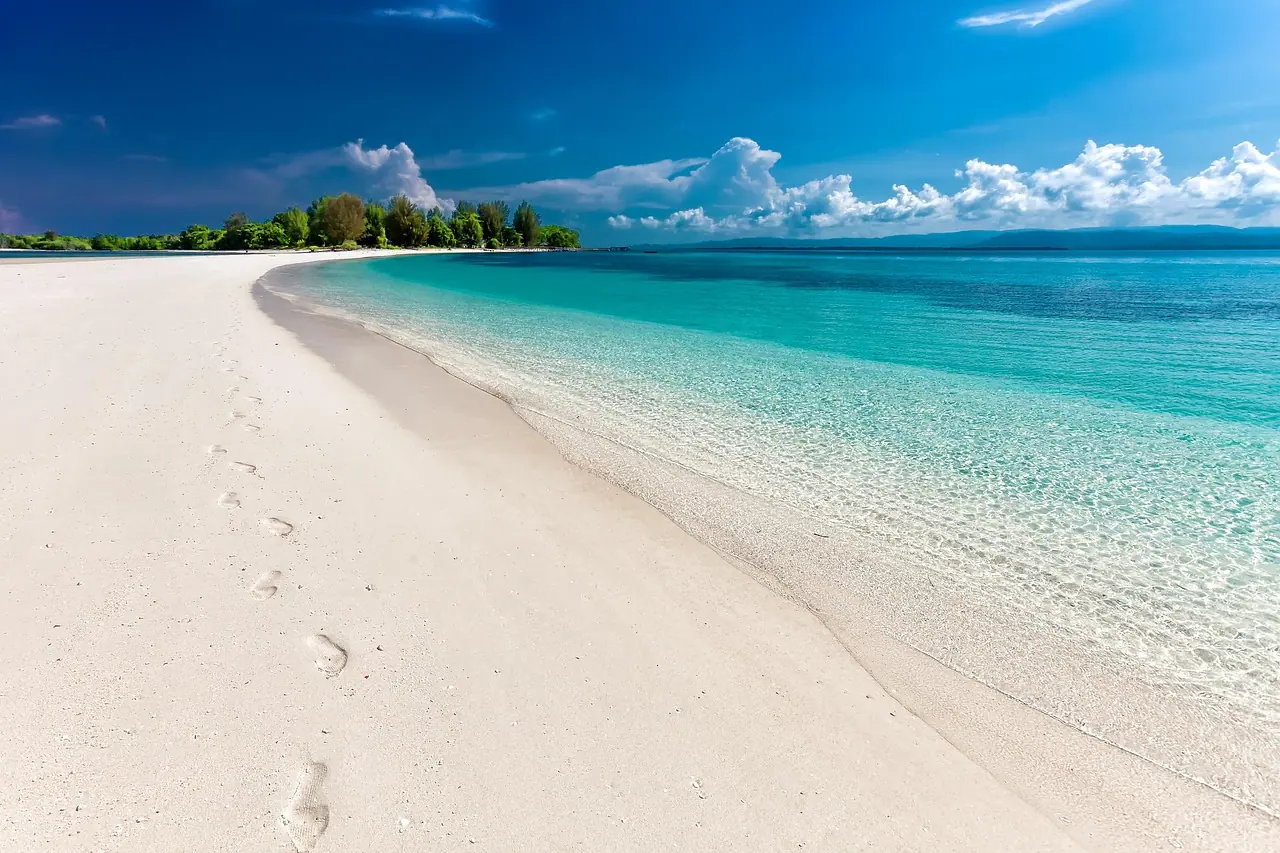
The Oaxacan coast stretches roughly 530 kilometers along the Pacific, and the three destinations that define it could not be more different from each other. If you are weighing Puerto Escondido vs Huatulco vs Chacahua, you are really asking a deeper question: what kind of trip do you actually want? A surf-and-social scene with international energy? A polished resort bay with snorkeling and poolside cocktails? Or an off-grid lagoon village where the jungle runs right up to the sand and the nearest ATM is an hour away by boat?
This three-way comparison breaks down everything you need to know — vibe, beaches, accommodation, food, nightlife, activities, logistics, cost, connectivity, and who each destination suits best — so you can make the right call before you book.
Puerto Escondido vs Huatulco vs Chacahua: The Vibe
Puerto Escondido
Puerto Escondido has evolved from a sleepy fishing village into one of Mexico’s fastest-growing beach destinations. The main neighborhoods — Zicatela, La Punta, Rinconada, Carrizalillo — each carry a slightly different feel, but the overall energy is social, creative, and fast-moving. Surfers, digital nomads, yoga practitioners, backpackers, and increasingly upscale travelers share the same strips of sand and the same mezcal bars. Construction is constant. New restaurants, coworking spaces, and boutique hotels open every month. It is exciting and chaotic in roughly equal measure.
The vibe here is outward-facing. You will meet people. You will have options. You will probably stay longer than you planned because the combination of waves, food, nightlife, and community is hard to leave.
Huatulco
Huatulco is the most planned destination on the Oaxacan coast. Developed in the 1980s by FONATUR (Mexico’s tourism development fund), it was designed from the ground up as a resort zone built around nine sheltered bays. The result is a destination that feels organized, safe, and family-friendly in a way that Puerto Escondido and Chacahua simply are not. Streets are paved, signage is clear, the airport is international, and all-inclusive resorts line the waterfront at Tangolunda Bay.
The town center of La Crucecita has a grid layout with a main plaza, churches, restaurants, pharmacies, and shops — a functional Mexican town rather than a tourist strip. The overall feel is calm and conventional. You will not find the countercultural energy of Puerto Escondido or the raw wildness of Chacahua here, but you also will not deal with unpaved roads, unreliable electricity, or any of the friction that comes with less-developed destinations.
Chacahua
Chacahua is the opposite end of the spectrum. Reaching the village requires a boat ride through the Lagunas de Chacahua National Park, passing through mangrove channels that feel genuinely untouched. There are no ATMs, no paved roads, no chain businesses of any kind. Electricity comes from solar panels and generators, which means most of the village goes quiet after dark.
The rhythm here is set by nature — tides, sunsets, birdsong, and the distant crash of open-ocean waves. Chacahua attracts travelers who are actively seeking disconnection: people tired of the usual beach-town formula who want silence, wildlife, and the feeling of being somewhere that has not been reshaped by tourism. It is not for everyone. That is precisely the point.
Puerto Escondido vs Huatulco vs Chacahua: Beaches
Puerto Escondido
Puerto Escondido is famous for Playa Zicatela, home to the Mexican Pipeline — one of the most powerful beach breaks in the world and strictly for expert surfers. La Punta has a friendlier right-hand point break for intermediates. Carrizalillo is a sheltered cove with calm turquoise water reached by a staircase, ideal for swimming and snorkeling. Playa Bacocho stretches wide and mostly empty to the west. The variety is a real strength: within fifteen minutes, you can go from expert-only barrels to family-friendly coves.
Huatulco
Huatulco’s nine bays are its signature asset. The water is calmer and clearer than what you find further west, and the rocky shoreline creates natural pools and protected coves that are ideal for snorkeling and swimming. Playa La Entrega is the most popular snorkeling spot, with reef fish visible in knee-deep water. San Agustin Bay is larger and quieter. Cacaluta (featured in the Mexican film Y Tu Mama Tambien) requires a short hike and rewards you with near-solitude on most weekdays.
The surf here is minimal — these are bay beaches, not open-ocean breaks. If surfing is your priority, Huatulco is the wrong choice. If you want to float in clear water and spot tropical fish, it is the best of the three.
Chacahua
Chacahua’s outer beach (Playa Chacahua) is a long, powerful stretch of open Pacific sand with consistent surf that is uncrowded on most days. Intermediate and advanced surfers will find punchy waves with only a handful of people in the water. Beginners can find gentler conditions on the lagoon side.
But the defining feature of Chacahua is not the ocean beach — it is the lagoon system. The warm, brackish lagoon waters are home to crocodiles, herons, pelicans, and bioluminescent plankton that light up electric blue on dark nights. This is not a resort beach experience. It is a wild one.
Accommodation Types
| Feature | Puerto Escondido | Huatulco | Chacahua |
|---|---|---|---|
| Range | Hostels to luxury boutique hotels | All-inclusives to budget hotels | Basic cabanas to eco retreats |
| Price (per night) | $15 — $300+ USD | $40 — $400+ USD | $10 — $150 USD |
| Air conditioning | Widely available | Standard | Rare — fans and sea breeze |
| Wi-Fi | Fast, reliable | Standard in most hotels | Limited or nonexistent |
| Hot water | Standard | Standard | Not guaranteed |
| Booking ease | Airbnb, Booking, Hostelworld | Expedia, Booking, resort sites | Some on Airbnb; many book direct |
| Electricity | 24/7 grid power | 24/7 grid power | Solar/generator; limited hours |
| Best for | Nomads, surfers, all budgets | Families, couples, resort seekers | Off-grid seekers, eco travelers |
Puerto Escondido
The accommodation range here is enormous. Dorm beds start under $15 USD. Mid-range boutique hotels and Airbnbs in the $60 — $120 range offer pools, ocean views, and strong Wi-Fi. High-end villas in Bacocho and the hills above Zicatela come with private pools and personal chefs. The short-term rental market is booming, and new properties open constantly. You will have no trouble finding something at any price point.
Huatulco
Huatulco is where you go if you want a conventional hotel or resort experience. Tangolunda Bay has the large all-inclusive properties — Barcelo, Dreams, Secrets — with pools, buffets, organized activities, and kids’ clubs. La Crucecita offers smaller hotels and Airbnbs at lower price points. Outside the resort zone, you can find quieter guesthouses near some of the lesser-known bays. The infrastructure is the most reliable of the three destinations: consistent electricity, hot water, air conditioning, and room service are standard rather than exceptional.
Chacahua
Accommodation in Chacahua is simpler by necessity. Most options are palm-roofed cabanas with basic beds, mosquito nets, and shared bathrooms. A handful of properties have upgraded to offer private rooms, better mattresses, solar-powered fans, and composting toilets. This is where places like Montserrat Reserve are redefining what is possible — bringing thoughtful design, natural pools, and genuine comfort to an off-grid setting without sacrificing the wildness that makes Chacahua special.
If you need reliable air conditioning, hot showers on demand, and streaming-quality Wi-Fi to enjoy your vacation, Chacahua will frustrate you. If you can trade those things for falling asleep to the sound of waves under an unobstructed sky full of stars, it might be the best place you have ever stayed.
Food and Dining
Puerto Escondido
The food scene in Puerto Escondido has exploded over the past several years. Wood-fired pizza, sushi, Israeli shakshuka, vegan bowls, Oaxacan mole, fresh ceviche, Italian pasta, Thai curry — it is all here, and the quality at the better restaurants is genuinely impressive. La Punta and Rinconada are the main dining neighborhoods, with chef-driven spots opening regularly. You can eat well for $5 — $8 at a local comedor or spend $25 — $40 at a sit-down restaurant. Markets like Benito Juarez offer produce, tlayudas, and mezcal at local prices.
Huatulco
Huatulco’s food scene leans toward conventional Mexican and international fare. The all-inclusive resorts dominate the dining landscape — if you are staying at one, your meals are covered but tend toward buffet quality. In La Crucecita, the plaza and surrounding streets have solid restaurants serving Oaxacan dishes, seafood, and grilled meats at reasonable prices. The town has supermarkets, bakeries, and coffee shops. The scene is not as adventurous or chef-driven as Puerto Escondido, but it is reliable and convenient.
Chacahua
Chacahua has maybe a dozen small restaurants and beachside comedores in the entire village. The food is straightforward: fresh fish, ceviche, rice, beans, eggs, handmade tortillas, and seasonal fruit. Quality depends on the spot, but the seafood is almost always excellent because it is caught the same morning. There is no supermarket. If you have specific dietary needs, bring supplies from Puerto Escondido. Several accommodation spots offer meal plans, which is often the most practical option.
The food in Chacahua is not a curated dining experience. What it is, honestly, is a grilled fish on the beach at sunset, cooked by someone who caught it that morning from a boat you can still see pulled up on the sand.
Nightlife
Puerto Escondido
Puerto Escondido has a real nightlife scene and wins this category outright. La Punta’s bars host DJ sets, fire dancers, and beach parties multiple nights a week. Zicatela has louder, cheaper spots with surf culture energy. There are also mellower options — mezcal tasting bars, live acoustic music, rooftop cocktail spots overlooking the Pacific. The party runs late during high season (November through March) and stays lively through the shoulder months.
Huatulco
Huatulco has nightlife, but it is organized and muted compared to Puerto Escondido. The resort bars and a few clubs in La Crucecita offer music and drinks on weekends. La Papaya and a handful of spots near the plaza stay open late. But this is not a party destination. Most visitors are here with families or partners and tend toward early dinners and quiet evenings. If all-inclusive happy hour and a drink by the pool count as nightlife for you, Huatulco delivers that perfectly well.
Chacahua
Chacahua’s nightlife is the bioluminescent lagoon. On moonless nights, you can kayak or swim through water that glows electric blue with every stroke and every splash. Beyond that, evenings involve hammocks, conversation, card games, and early bedtimes. A few spots occasionally set up a speaker on the beach, but organized nightlife does not exist here in any meaningful way.
Activities and Things to Do
Puerto Escondido
- Surfing at Zicatela, La Punta, Carrizalillo (lessons widely available)
- Snorkeling at Carrizalillo and nearby coves
- Dolphin and whale watching tours (seasonal, December through March)
- Yoga classes and wellness retreats
- Day trips to nearby lagoons, hot springs, and waterfalls
- Cooking classes focused on Oaxacan cuisine
- Turtle release programs (seasonal, July through December)
- Coworking spaces for remote work
- Fishing trips with local pangas
Huatulco
- Snorkeling and diving in the nine bays
- Bay tours by boat (full-day excursions hitting five to seven bays)
- Zip-lining and ATV tours through the Sierra Madre foothills
- Rafting on the Copalita River (seasonal)
- Huatulco National Park hiking trails
- Coffee plantation tours (the region produces excellent Pluma coffee)
- Turtle release programs (seasonal)
- Sailing and paddleboarding in the calm bays
- Day trip to the waterfalls at Cascadas Magicas
Chacahua
- Surfing uncrowded waves on the outer beach
- Bioluminescent lagoon tours (best on new moon nights)
- Bird watching in the mangroves and national park (200+ species)
- Crocodile spotting on lagoon boat tours
- Kayaking through mangrove channels
- Horseback riding on the beach
- Turtle nesting and release programs (seasonal)
- Fishing with local guides
- Simply doing nothing in a hammock — an underrated activity that Chacahua facilitates better than almost anywhere
Puerto Escondido vs Huatulco vs Chacahua: Getting There
Puerto Escondido
Puerto Escondido has its own airport (PXM) with direct flights from Mexico City, Oaxaca City, and Guadalajara. You can also drive from Oaxaca City (roughly six hours on winding mountain roads via Highway 175 or 131) or take a bus. Within town, taxis, colectivos (shared vans), and motorcycle rentals make getting around easy and cheap.
Huatulco
Huatulco has the most accessible airport on the Oaxacan coast. Bahias de Huatulco International Airport (HUX) receives direct flights from Mexico City, Oaxaca City, and seasonal international charters from the US and Canada. Many all-inclusive resorts include airport transfers. The airport is roughly 20 minutes from the main hotel zone. Buses connect Huatulco to Oaxaca City (approximately seven hours) and Puerto Escondido (approximately two and a half hours). Once in Huatulco, taxis are plentiful and reasonably priced.
Chacahua
Reaching Chacahua requires effort. From Puerto Escondido, take a colectivo or taxi to the town of Zapotalito (about one hour west), then board a lancha (small motorboat) through the lagoon to the village (20 — 40 minutes depending on conditions). There is no road access to the village itself.
The boat ride through the mangroves is beautiful and sets the tone for what Chacahua offers. But it also means you cannot easily pop back to Puerto Escondido for dinner or supplies. Commit to being there. That isolation is part of the experience, not a drawback. For a detailed breakdown of the journey, see our location guide.
Cost Comparison
| Expense | Puerto Escondido | Huatulco | Chacahua |
|---|---|---|---|
| Budget accommodation | $15 — $30/night | $40 — $70/night | $10 — $20/night |
| Mid-range accommodation | $60 — $120/night | $100 — $200/night | $40 — $80/night |
| Upscale accommodation | $150 — $300+/night | $200 — $400+/night | $80 — $150/night |
| Meal at local comedor | $4 — $8 | $5 — $10 | $3 — $6 |
| Restaurant dinner | $15 — $40 | $20 — $50 | $8 — $15 |
| Beer | $1.50 — $3 | $2 — $4 | $1.50 — $2.50 |
| Surf lesson (1 hr) | $25 — $40 | N/A (limited surf) | $15 — $25 |
| Snorkel/bay tour | $20 — $35 | $25 — $50 | $10 — $20 |
| Daily budget (backpacker) | $30 — $50 | $50 — $80 | $20 — $35 |
| Daily budget (mid-range) | $80 — $150 | $120 — $250 | $50 — $100 |
Chacahua is the cheapest, partly because there are fewer things to spend money on. Puerto Escondido offers the widest price range with options at every tier. Huatulco is the most expensive overall, especially if you are staying at an all-inclusive, though the value proposition of having meals and drinks included can simplify budgeting for families and couples.
Wi-Fi and Connectivity
This matters more than people think, especially for remote workers and travelers who need to stay in touch.
Puerto Escondido has the best connectivity of the three. Most cafes, coworking spaces, and mid-range accommodations offer reliable Wi-Fi in the 20 — 50 Mbps range. Dedicated coworking spaces like Selina and several independent spots provide stable connections suitable for video calls. Mobile data coverage is strong throughout town on Telcel and AT&T networks.
Huatulco has reliable Wi-Fi in hotels and resorts, and mobile coverage is solid in La Crucecita and the hotel zones. It is not a digital nomad hub — there are few coworking spaces — but staying connected for basic needs is not a problem.
Chacahua has minimal connectivity. Some accommodations offer basic Wi-Fi powered by satellite or cellular signal boosters, but speeds are slow and unreliable. Mobile signal is weak to nonexistent depending on your carrier and exact location in the village. If you need to work remotely, Chacahua is not the place. If you want to be forced off your phone for a few days, it is perfect.
Puerto Escondido vs Huatulco vs Chacahua: Who Should Go Where?
Puerto Escondido is best for:
- Surfers of all levels, especially those chasing serious waves
- Digital nomads who need reliable Wi-Fi and a social scene
- Solo travelers looking to meet people easily
- Foodies who want variety and quality
- Young travelers and backpackers on a budget who want nightlife
- Long-term travelers who could see themselves staying weeks or months
- Anyone who wants options — Puerto Escondido lets you design each day differently
Huatulco is best for:
- Families with children who need reliable infrastructure and kid-friendly activities
- Couples seeking a resort vacation with organized tours and beach service
- Older travelers who prefer comfort, safety, and predictability
- Snorkelers and divers drawn to clear, calm bay waters
- Travelers with limited time who want easy airport access and minimal logistics
- First-time visitors to Mexico who want a softer introduction to the coast
- All-inclusive seekers who value simplicity and fixed costs
Chacahua is best for:
- Nature lovers who prioritize wildlife, lagoons, and untouched coastline
- Couples seeking a romantic, unplugged escape far from crowds
- Experienced travelers comfortable with basic infrastructure and improvisation
- Writers, artists, and creatives looking for solitude and deep quiet
- Eco-conscious travelers interested in low-impact, community-scale tourism
- Surfers who want uncrowded waves without the scene
- Anyone recovering from burnout who genuinely needs to stop, disconnect, and rest
Can You Combine All Three?
Yes, and a multi-stop itinerary along the Oaxacan coast is one of the best trips you can take in Mexico. A strong approach is to fly into Huatulco, spend two or three days exploring the bays and snorkeling, then travel west to Puerto Escondido for four or five days of surfing, food, and socializing, and finish with three or four nights in Chacahua for deep decompression before heading home.
The contrast between destinations makes each one feel sharper. Huatulco’s polished calm sets up Puerto Escondido’s creative chaos, and Puerto Escondido’s energy makes Chacahua’s silence feel like a revelation.
If you are planning time in Chacahua and want something beyond a basic cabana, Montserrat Reserve offers a private eco retreat experience with thoughtfully designed villas, natural pools, and organic gardens — all built to honor the off-grid character of the area rather than fight it. It is designed for travelers who want the wildness of Chacahua paired with a level of comfort and intention that is hard to find this far from the grid.
The Bottom Line
The question of Puerto Escondido vs Huatulco vs Chacahua is not about which destination is objectively better. Each one serves a different version of what a coastal trip can be.
Puerto Escondido gives you energy, variety, and a constantly evolving scene. Huatulco gives you reliability, comfort, and the simplest logistics on the coast. Chacahua gives you stillness, nature, and access to a place that has not yet been reshaped by mass tourism.
The right choice depends entirely on what you need right now — not what sounds impressive, not what photographs well, but what will actually restore you. Be honest about that, and the answer usually becomes obvious.