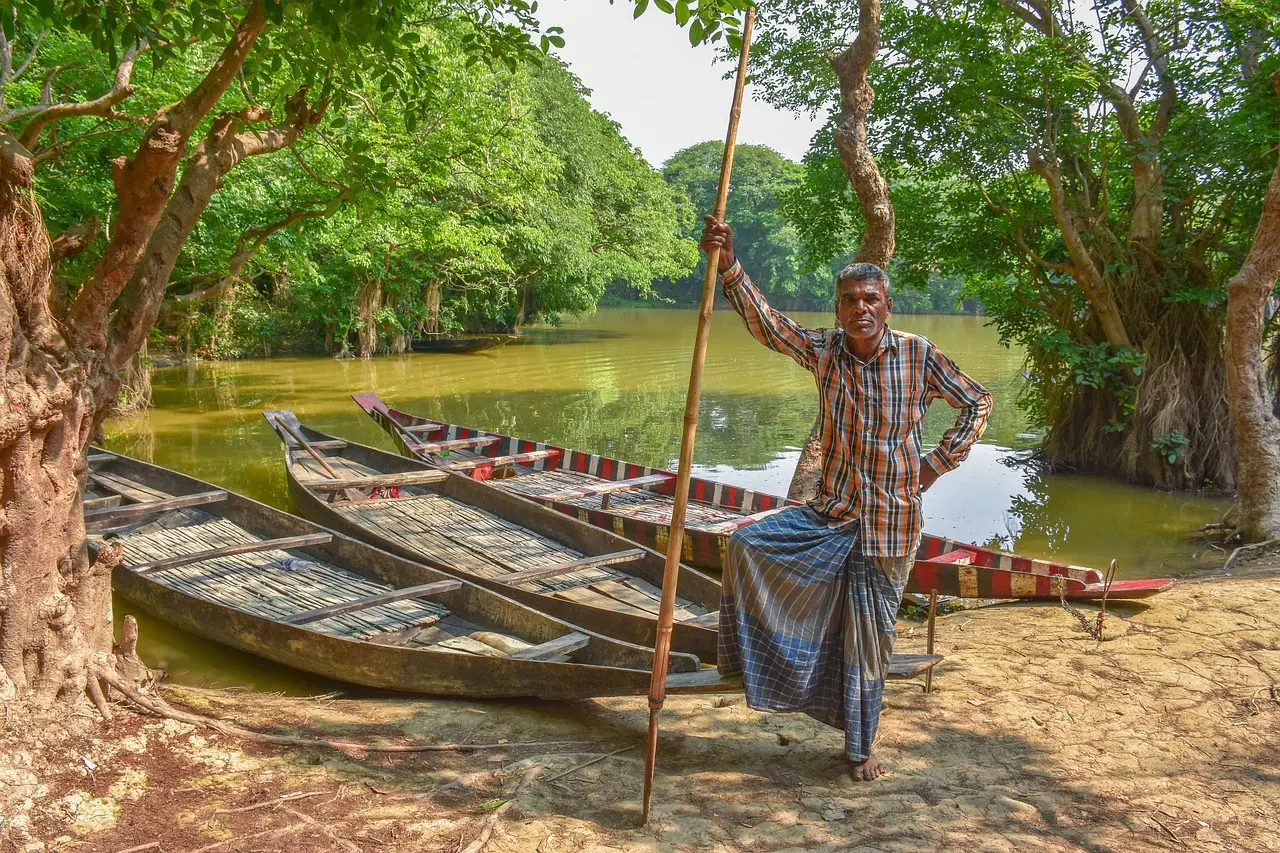
Chacahua sits at the end of a dirt road on Oaxaca’s coast, past the lagoons and past the point where most tourists turn around. That remoteness is exactly what makes it worth the trip. If you are wondering about the best things to do in Chacahua, you will find a place where bioluminescent lagoons glow at night, surfers paddle out to uncrowded breaks, and fishermen still haul in the day’s catch by hand. This is not a resort town. There are no chain restaurants, no nightclubs, no traffic lights. What Chacahua offers instead is raw, unpolished Oaxacan coast — and a surprisingly long list of ways to spend your days.
Here is everything worth doing when you visit, along with practical tips so you can plan your time well.
Bioluminescent Lagoon Tours — Things to Do in Chacahua After Dark
The bioluminescent lagoon is the main reason most travelers first hear about Chacahua. On moonless nights between May and November, the water lights up with millions of dinoflagellates — microscopic organisms that emit blue-green light when the water is disturbed. You dip your hand in and it glows. You splash and trails of light follow your fingers. It is one of the most surreal natural phenomena you can witness anywhere in Mexico.
Tours depart by boat from the village, usually around 8 or 9 PM. A local guide takes you into the darker, calmer channels of the Chacahua lagoon system where the concentration of bioluminescence is strongest. Most tours last about an hour and a half, including transit time. You will get a chance to swim in the glowing water — bring a swimsuit you do not mind getting wet in warm, brackish lagoon water.
What to expect cost-wise: Tours run between 200 and 400 MXN per person depending on group size. Smaller boats cost more but give you a more intimate experience.
Best conditions: New moon nights with no cloud cover produce the strongest glow. The rainy season months (June through September) tend to be the most spectacular. Avoid going on full moon nights — the ambient light washes out the bioluminescence.
Surfing Chacahua’s Beach Breaks
Chacahua has consistent surf year-round, with the best swells arriving between April and October courtesy of southern hemisphere storms. The main beach break in front of the village works on most swell directions and offers both lefts and rights. It is a sandy bottom break, forgiving enough for intermediate surfers but with enough power on bigger days to keep experienced riders interested.
Playa Chacahua stretches for several kilometers, so even when there are other surfers in the water — which is rare — you can walk down the beach and find your own peak. On a typical day you might share the lineup with three or four other people. On many days you will surf alone.
Board rentals are available in the village for around 200–300 MXN per day. A few local instructors offer lessons for beginners, usually in the 500–800 MXN range for a two-hour session. The water is warm enough for board shorts most of the year, though a thin rash guard helps prevent sunburn during long sessions.
Tip: The morning glass-off hours between 6 and 9 AM are the best time to paddle out. Afternoon onshore winds tend to chop up the surface.
Mangrove Kayaking and Lagoon Exploration
The Chacahua lagoon system is part of the Parque Nacional Lagunas de Chacahua, a protected area covering over 14,000 hectares of lagoons, mangroves, and coastal forest. Kayaking through the mangrove channels is one of the most peaceful things to do in Chacahua and one of the best ways to understand the ecosystem that makes this place so ecologically significant.
You paddle through tunnels of red and white mangroves, their roots arching out of the water in tangled formations. The water is calm and shallow in most channels, making this accessible even for people with no kayaking experience. Along the way you will likely spot herons, egrets, kingfishers, and if you are quiet enough, the occasional crocodile basking on a muddy bank.
Several operators in the village rent kayaks by the hour (around 150–250 MXN) or offer guided tours that combine kayaking with bird watching and a visit to a crocodile habitat. Guided tours typically run 2–3 hours and cost 300–500 MXN per person.
Best time to go: Early morning, before the heat of midday. The birds are more active, the light is softer for photos, and you will have the channels mostly to yourself.
Bird Watching in the Lagoon System
Chacahua sits within a critical migratory corridor, and the lagoon system provides habitat for over 200 species of birds. Even if you do not consider yourself a birder, the sheer density and variety of birdlife here is hard to ignore. Roseate spoonbills, white ibis, frigate birds, various herons, pelicans, ospreys, and the occasional flamingo during migration season all make appearances.
The mangrove channels and the edges of the open lagoon are the most productive areas. Bring binoculars and a field guide if you have them, though many birds here are large and close enough that you can observe them with bare eyes. The early morning boat ride from Zapotalito across the lagoon to Chacahua village is itself one of the best bird watching opportunities — keep your eyes on the shoreline and the skies above.
For serious birders, hiring a local guide who knows the nesting sites and seasonal patterns will dramatically increase the number of species you spot. Ask around in the village; several fishermen double as excellent naturalist guides.
Beach Walks Along Playa Chacahua
The beach at Chacahua runs for roughly seven kilometers of uninterrupted sand. Walking the full length and back makes for a solid morning of exercise, but most people pick a direction and wander until they feel like turning around. The sand is firm near the waterline, making it easy walking even for long distances.
Along the way you will find tide pools, driftwood, shells, and stretches of beach where your footprints are the only ones. The far western end of the beach curves toward rockier terrain and offers a different landscape — tidal rocks, sea caves, and a rougher shoreline. It is worth the walk if you have the time and energy.
Sunrises over the lagoon side and sunsets over the ocean side frame each day beautifully. The sunset from the beach, especially from one of the higher dunes near the village, is a daily ritual for visitors and locals alike.
Crocodile Watching in the Lagoon
The Chacahua lagoon is home to a healthy population of American crocodiles. These are not aggressive toward humans in the way saltwater crocodiles are, but they are impressive animals — adults can reach three to four meters in length. Seeing one glide silently through the water or lie motionless on a bank is one of those encounters that reminds you how wild this place really is.
Most lagoon boat tours and kayaking trips include crocodile sighting opportunities. The guides know the areas where crocodiles tend to rest and feed. The boat ride from Zapotalito to Chacahua crosses directly through their habitat, so keep your camera ready.
A word of common sense: do not swim in the lagoon in areas where crocodiles are known to be present. Stick to the ocean beach for swimming. The lagoon boat operators will let you know where it is safe.
Fishing Village Life and Local Culture
Chacahua is a working fishing village, and spending time observing and participating in that daily rhythm is one of the more rewarding things you can do here. Fishermen head out before dawn in small pangas, returning mid-morning with the catch. You can often buy fish directly from them on the beach — red snapper, sierra, robalo, and whatever else the ocean offered that day.
The village itself is small and walkable. There are a handful of comedores (small family-run restaurants), a few basic shops, and a central area where people gather in the evenings. The pace is slow and the atmosphere is welcoming. Chacahua is part of an Afro-Mexican community with deep roots in this stretch of coast, and the cultural traditions here — from the music to the food to the fishing techniques — reflect that heritage.
Local Food: Tlayudas, Fresh Seafood, and Oaxacan Flavors
Eating in Chacahua is simple and excellent. The comedores serve fresh seafood prepared in traditional Oaxacan style: whole grilled fish with lime, garlic shrimp, ceviche made from whatever was caught that morning, and fish tacos that put any city version to shame.
Tlayudas — the oversized, crispy tortillas that are one of Oaxaca’s signature dishes — are available at some spots and make for a filling, affordable meal. Topped with beans, cheese, and salsa, they are the kind of food you eat with your hands while sitting on a plastic chair under a palapa roof. Expect to pay between 60 and 150 MXN for a full meal at most comedores.
Fresh coconut water is everywhere and costs almost nothing. Mezcal is available at most places, though the selection is basic compared to what you would find in Oaxaca City. Some evenings, one of the village spots will cook up a special dish — often a whole fish zarandeado or a seafood soup — and those are worth seeking out.
For a deeper look at the food, culture, and ecology of this part of the coast, check out our location page for more on the region surrounding Chacahua.
Turtle Release Season
From July through December, olive ridley sea turtles nest on the beaches near Chacahua. Local conservation groups collect the eggs to protect them from predators and poachers, incubate them in protected hatcheries, and then release the hatchlings once they emerge. Participating in a turtle release is one of the most moving things to do in Chacahua, especially if you are traveling with children.
Releases usually happen at sunset. You are given a tiny hatchling in a cup, you walk to the waterline, and you set it down to begin its journey to the ocean. It takes a few minutes for each turtle to reach the water, and watching them navigate the sand with their tiny flippers is genuinely emotional.
There is no fixed schedule — releases depend on when the eggs hatch. Ask around in the village or check with your accommodation. Most releases are free to attend, though donations to the conservation program are appreciated and directly support the protection of nesting sites.
Hiking the Coastal Trails
While Chacahua is not a traditional hiking destination, there are several trails worth exploring on foot. The path along the lagoon edge through low coastal forest offers shade and bird watching opportunities. The trail leading west along the coast toward the rocky headlands provides ocean views and access to more secluded stretches of beach.
For a longer outing, you can hike to Cerro Hermosa or explore the trails that connect the lagoon side to the ocean side of the narrow peninsula where the village sits. The terrain is mostly flat with gentle hills, and the vegetation ranges from mangrove to tropical dry forest.
What to bring: Water (at least two liters for any hike over an hour), sunscreen, a hat, and sturdy sandals or light hiking shoes. The trails are not marked, so consider hiring a local guide for anything beyond the main beach walk.
Practical Tips for Visiting Chacahua
Getting there: Most visitors reach Chacahua by boat from Zapotalito, which is about 50 km west of Puerto Escondido along Highway 200. The boat ride across the lagoon takes about 45 minutes and costs around 50–80 MXN per person in a shared lancha. You can also arrange a private boat for around 800–1,200 MXN.
Best time of year: The dry season (November through April) offers the most comfortable weather with less rain and lower humidity. However, the rainy season (May through October) brings the best bioluminescence, bigger surf swells, and turtle nesting season. Each season has its advantages.
What to bring: Cash (there are no ATMs in Chacahua), sunscreen, insect repellent (especially for evenings near the lagoon), a flashlight or headlamp, and reef-safe sunscreen if you plan to swim in the lagoon. Pack light — you will be carrying your bags on and off boats.
Accommodation: Options range from basic cabanas and hammock setups to a handful of more comfortable eco-lodges. Expect to pay between 300 and 1,500 MXN per night depending on the level of comfort.
How long to stay: Most travelers spend two to four nights, which is enough time to do a bioluminescent tour, surf, kayak, and eat your way through the village. A week allows you to fully decompress and explore at a slower pace.
Experience Chacahua at Your Own Pace
Chacahua rewards the kind of traveler who does not need a packed itinerary. Some of the best moments here are unplanned — a conversation with a fisherman, an unexpected pod of dolphins visible from the beach, a sunset that stops you in your tracks. The key is to show up, slow down, and let the place reveal itself.
For a deeper look at what this stretch of coast has to offer, explore our experience page to see the activities and natural encounters that define time spent on the Oaxacan coast.
If you are looking for a place to stay that is rooted in this landscape — designed around the rhythms of the lagoon, the ocean, and the forest — Montserrat Reserve is an eco retreat being built just outside Chacahua, with natural pools, organic gardens, and independent villas set within the coastal forest. It is a place designed for exactly the kind of slow, intentional travel that Chacahua invites.